Conservation basics
No doom-scrolling, just the shape of the problem, from the people who measure it.
The Red List
More than 49,500 species are threatened with extinction on the IUCN Red List — 28% of all those assessed. [IUCN]
IUCN: 41% of amphibians, 26% of mammals, 11% of birds, 38% of sharks and rays, 44% of reef-building corals and 21% of reptiles assessed are threatened. [IUCN]
The Red List uses nine categories, from Not Evaluated and Data Deficient through Least Concern to Extinct. [source]
| Code | Category |
|---|---|
| EX | Extinct |
| EW | Extinct in the Wild |
| CR | Critically Endangered |
| EN | Endangered |
| VU | Vulnerable |
| NT | Near Threatened |
| LC | Least Concern |
| DD | Data Deficient |
| NE | Not Evaluated |
CR, EN and VU together are the “threatened” categories.
Wildlife populations
The 2024 Living Planet Index found an average 73% decline in monitored wildlife populations from 1970 to 2020. [source] That’s an average change in population sizes, not a count of animals lost — a subtle but important difference.
Why it’s happening
IPBES (2019) named five direct drivers of nature loss — land and sea use change, direct exploitation, climate change, pollution and invasive species — and warned around 1 million species face extinction. [IPBES]
A local good-news story
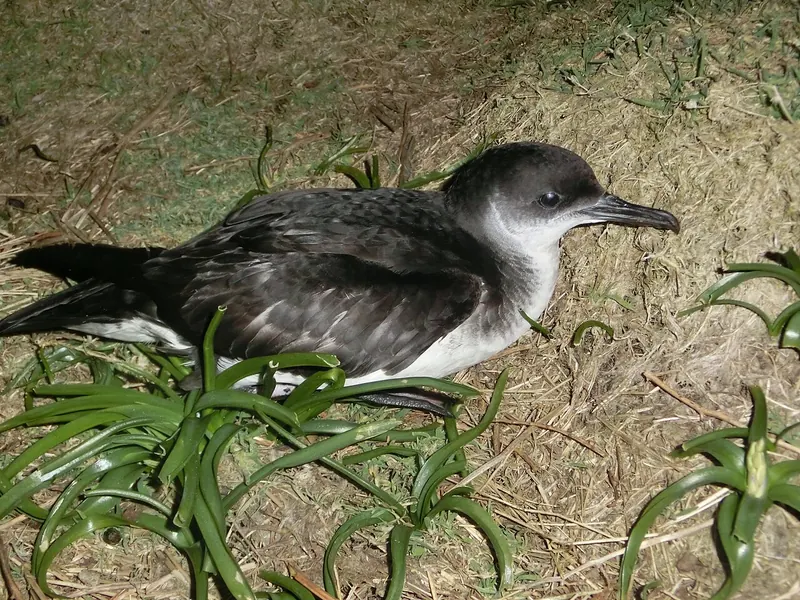
Brown rats reached the Calf of Man, reputedly from a shipwreck in 1781, and devastated its shearwater colonies. [MWT] After rat control began in 2012 the Calf’s shearwaters have recovered to around 1,500 pairs. [Manx BirdLife]
Things that genuinely help
- Record what you see — local records centres and wildlife trusts use sightings.
- Give wildlife space (see watching wildlife responsibly).
- Support the local wildlife trust or bird group where you live.
- In the garden: leave a wild corner, skip the slug pellets, and put out water.